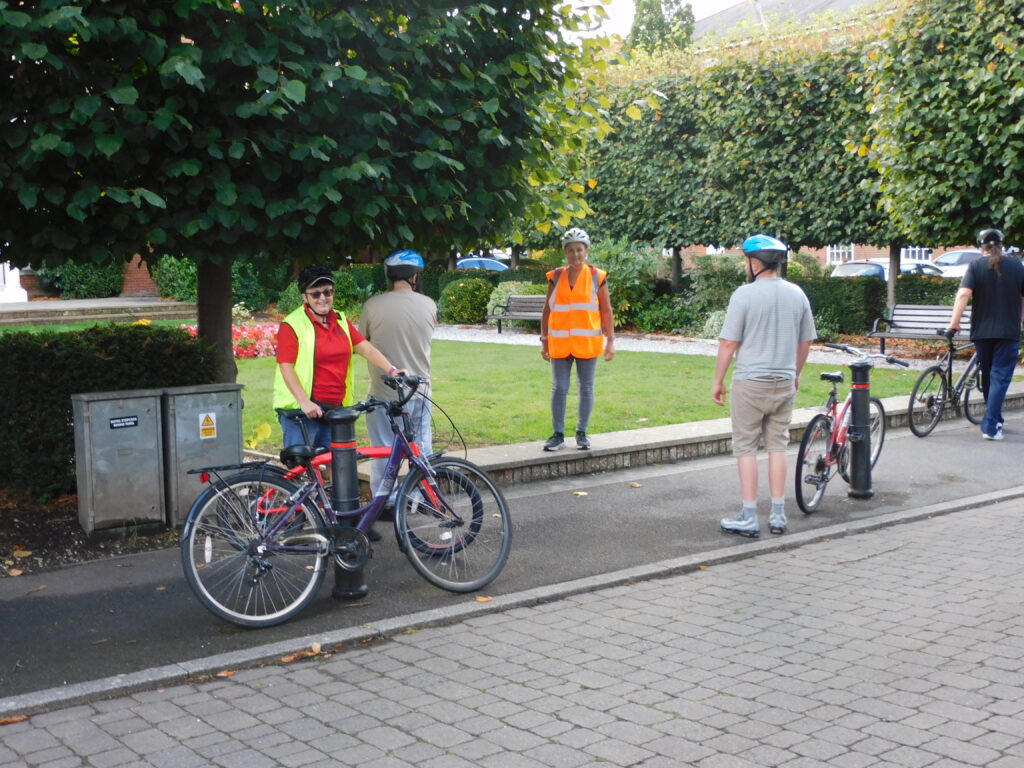
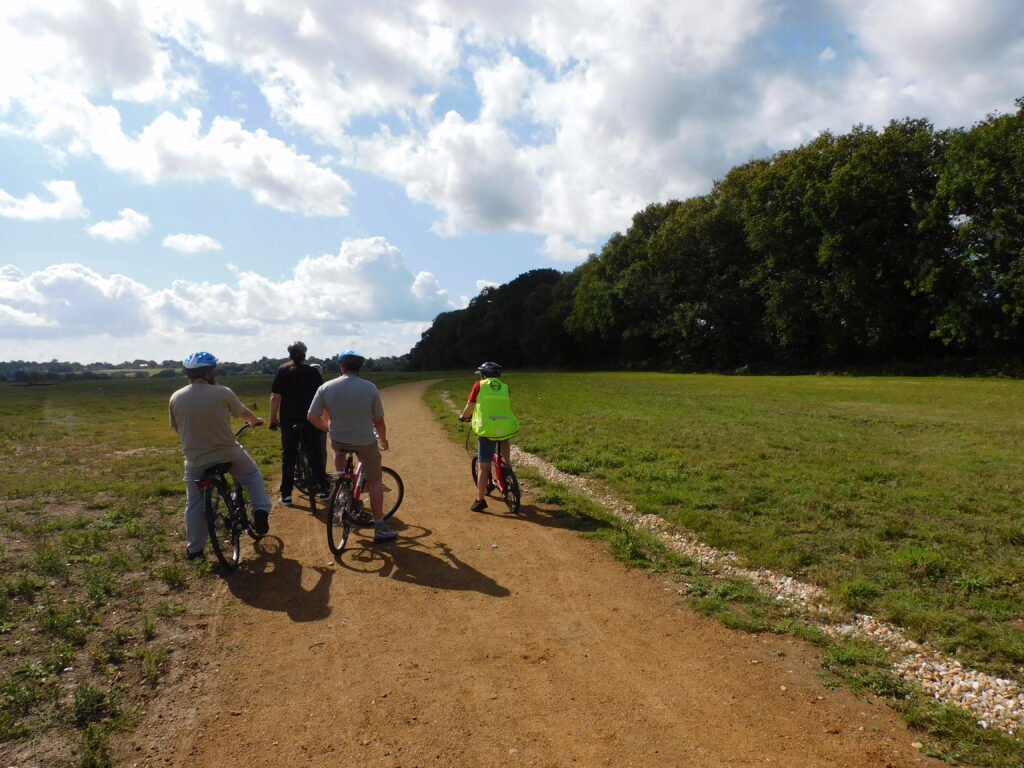
A new cycling initiative is underway at the Hampshire and Isle of Wight Healthcare Trust, thanks to the collaborative efforts of their Occupational Therapy team. This new project gives service users at Southfield, Ravenswood House, and Ashford secure mental health units the opportunity to safely develop cycling skills, supporting their recovery and integration into the community.
The path towards this initiative began with the service users themselves. Over recent years, many expressed a strong interest in cycling while on leave, recognising its health and wellbeing benefits, alongside the ability to access local community facilities. However, past cycling-related injuries in another part of the Trust meant that introducing such a scheme required careful consideration.
Demonstrating their commitment to the initiative, service users at Southfield Low Secure Unit created a petition, while those at Ravenswood House contributed a detailed proposal for cycling opportunities. Their voices were heard in the unit’s community and council meetings, providing a strong case for change.
With support from the Trust’s management and legal teams, the occupational therapy staff designed a comprehensive local cycling procedure. This included reaching out to external organisations specialising in cycling proficiency and safety. The Trust partnered with Monty’s Bike-hub, a local charitable organisation based in Sholing, Southampton. They bring a wealth of experience in bike maintenance, cycling tuition, and supporting people with complex backgrounds as they reintegrate into the community.
Monty’s Bike-hub has worked closely with NHS teams in the past and understands the unique challenges faced by secure service users. Their willingness to adapt their approach has been vital to the project’s early success, ensuring that every participant can progress at their own pace and with appropriate support.
Enrolment into the scheme involves a referral process, an individual risk assessment, and agreement from the multi-disciplinary team. Participants then undertake Level 1 cycling proficiency sessions within hospital grounds, focusing on safety, basic skills, and confidence-building. Those who successfully complete Level 1 can advance to Level 2, which involves cycling on public highways. Achieving full Level 2 proficiency allows service users to borrow a unit bike or use their own during periods of leave, enabling greater independence and opportunities for healthy activity.
Feedback from patients has been positive with one sharing “I found the course very informative; it made me gain confidence, improved my road awareness and I found the instructor supportive. I am happy that I have passed my Level 2”
Another told us of the peace they found when out cycling. “I rode down the Meon Valley railway line it was wonderful, I found it so peaceful listening to the birds. I am looking forward to going out on the bike more often.”
This collaborative approach highlights the power of partnership between NHS teams, service users, and community organisations in creating meaningful change and supporting mental health recovery journeys. By investing in things that matter most to service users, we can help make care more personal and suitable for each person’s needs.
While the project is still in its early days, the response has been overwhelmingly positive. Thanks to this new approach, patients are getting more opportunities to take part in healthy activities like cycling – helping them feel better, build confidence, and become more involved in the community.
Nov 2025